Press Text / Bulgarian
Press Text / English
Breakthrough in the White Cube / Ivaylo Avramov / English
Breakthrough in the White Cube / Ivaylo Avramov / Bulgarian
OT. A site-specific project by Petar Nakov at Sarieva Gallery / Ivaylo Avramov / English
OT. A site-specific project by Petar Nakov at Sarieva Gallery / Ivaylo Avramov / Bulgarian
Intention for a chronology. Sariev → SARIEV Contemporary → Sarieva / English
Intention for a chronology. Sariev → SARIEV Contemporary → Sarieva / Bulgarian

ОТ
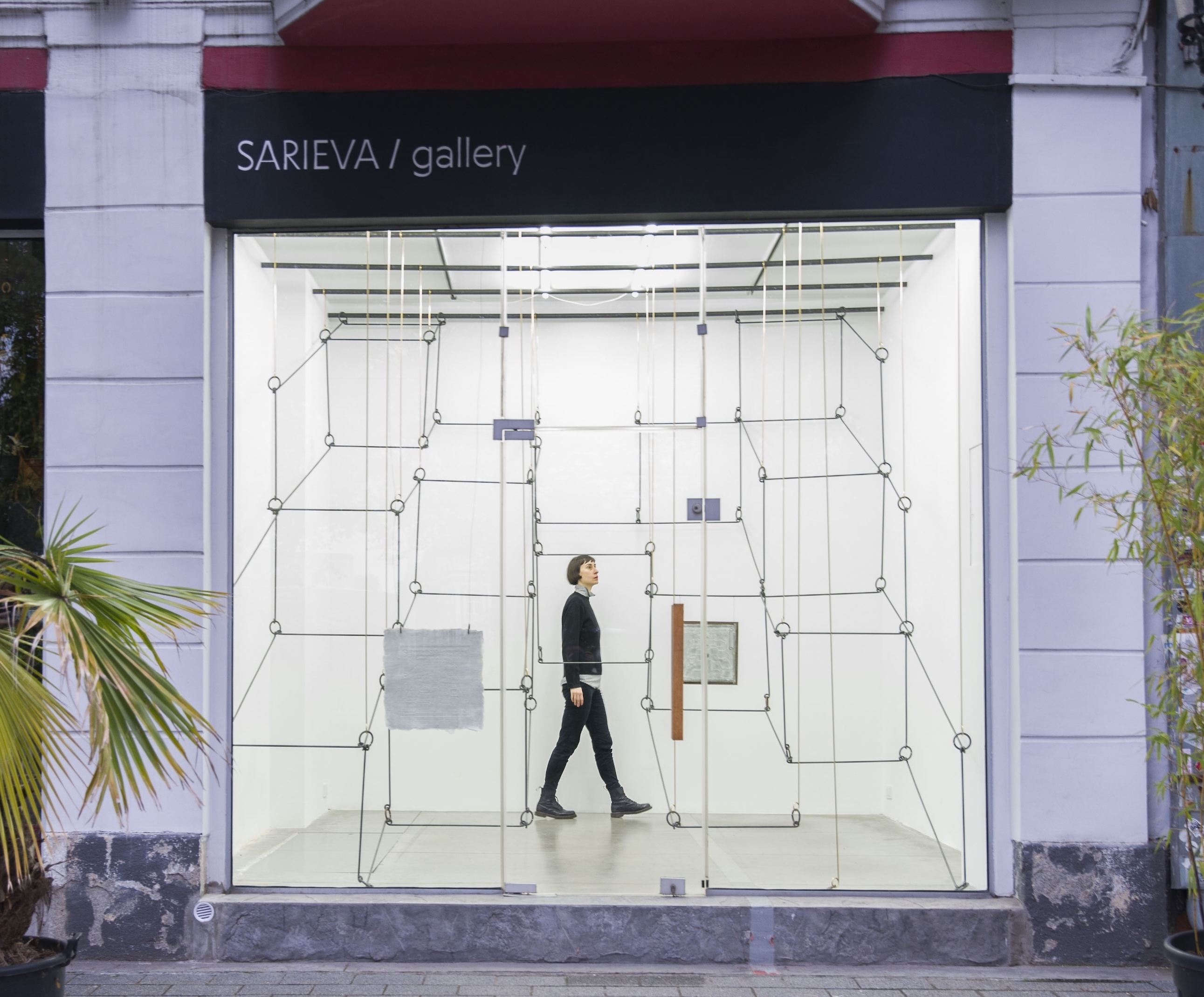
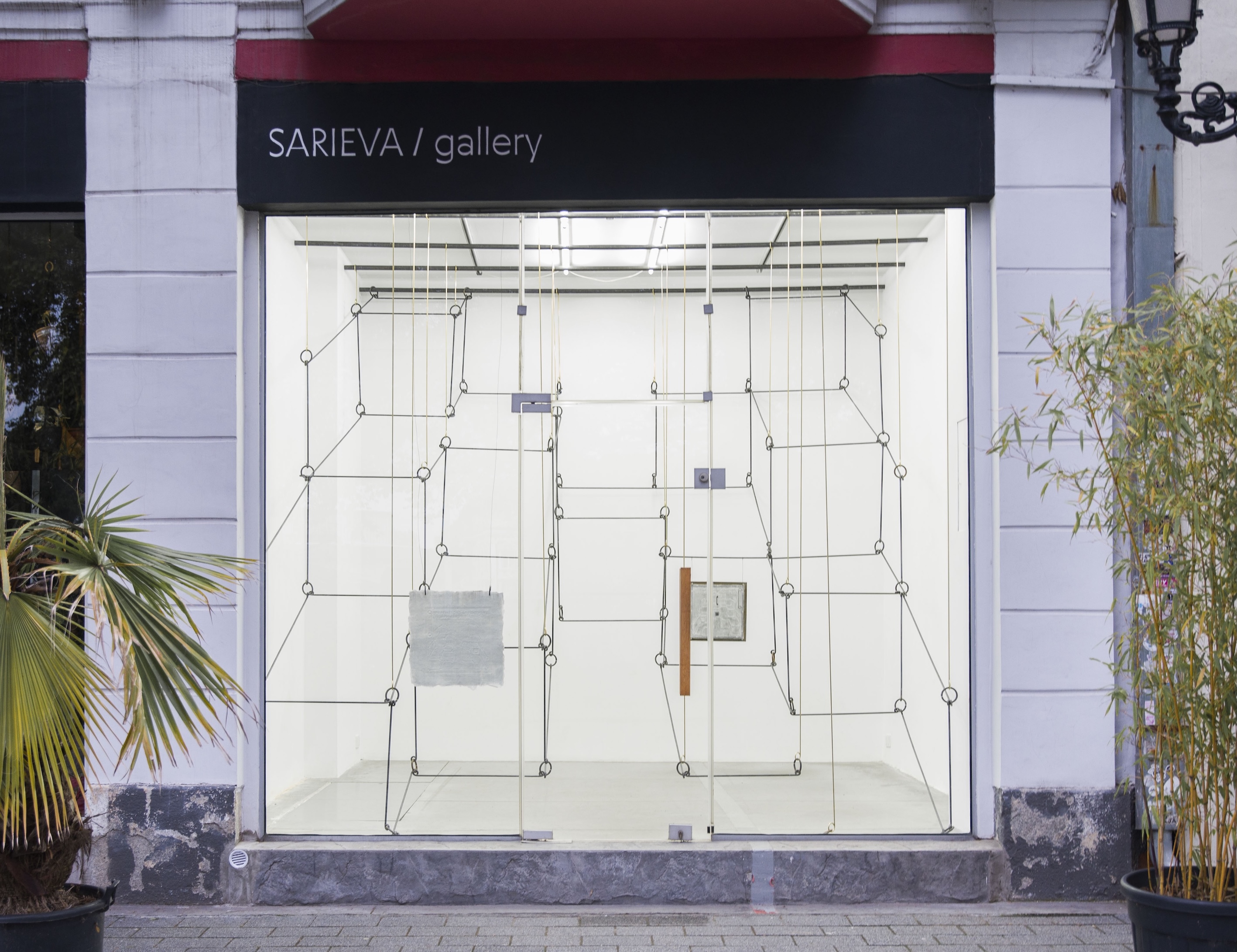
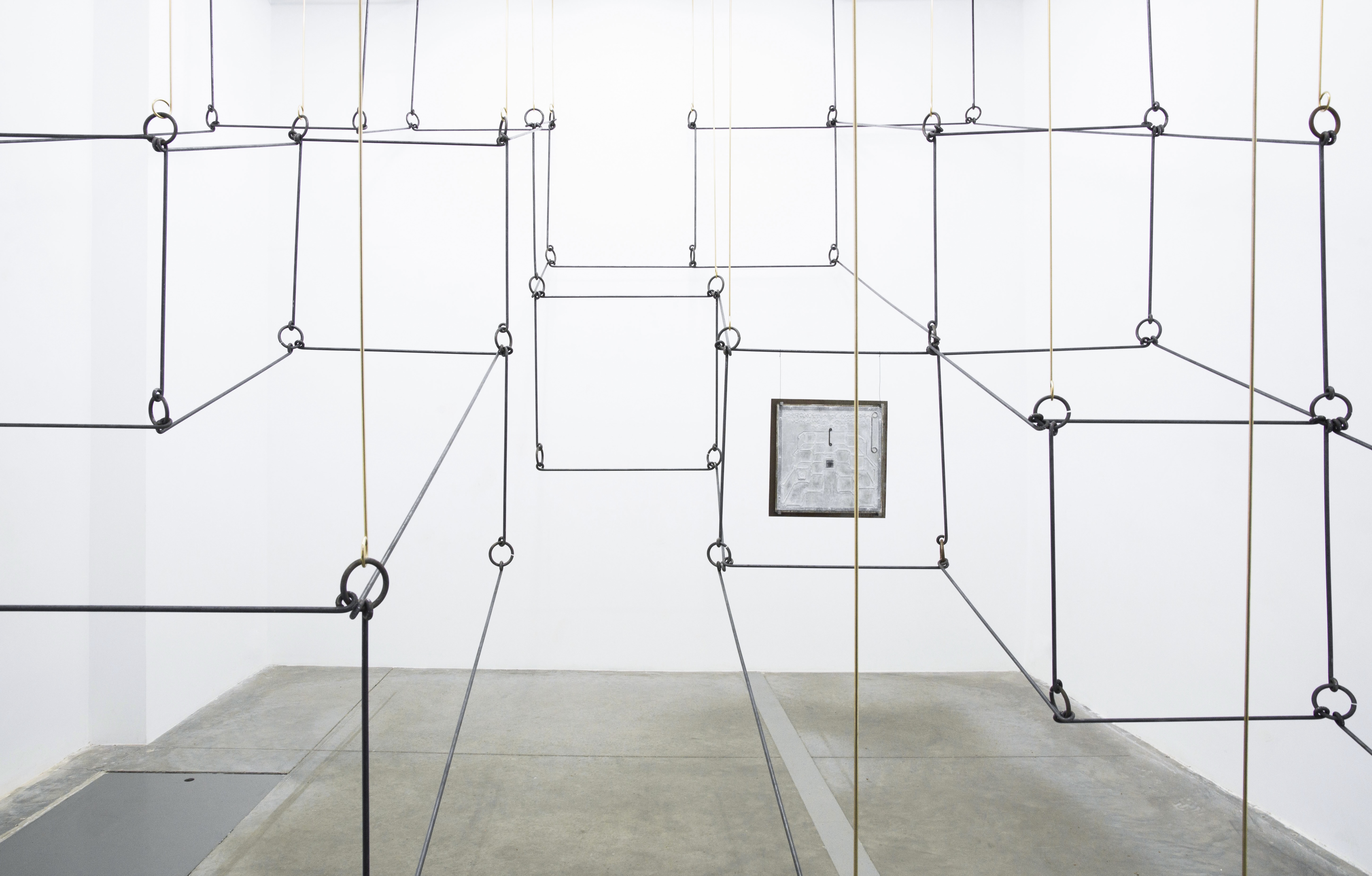
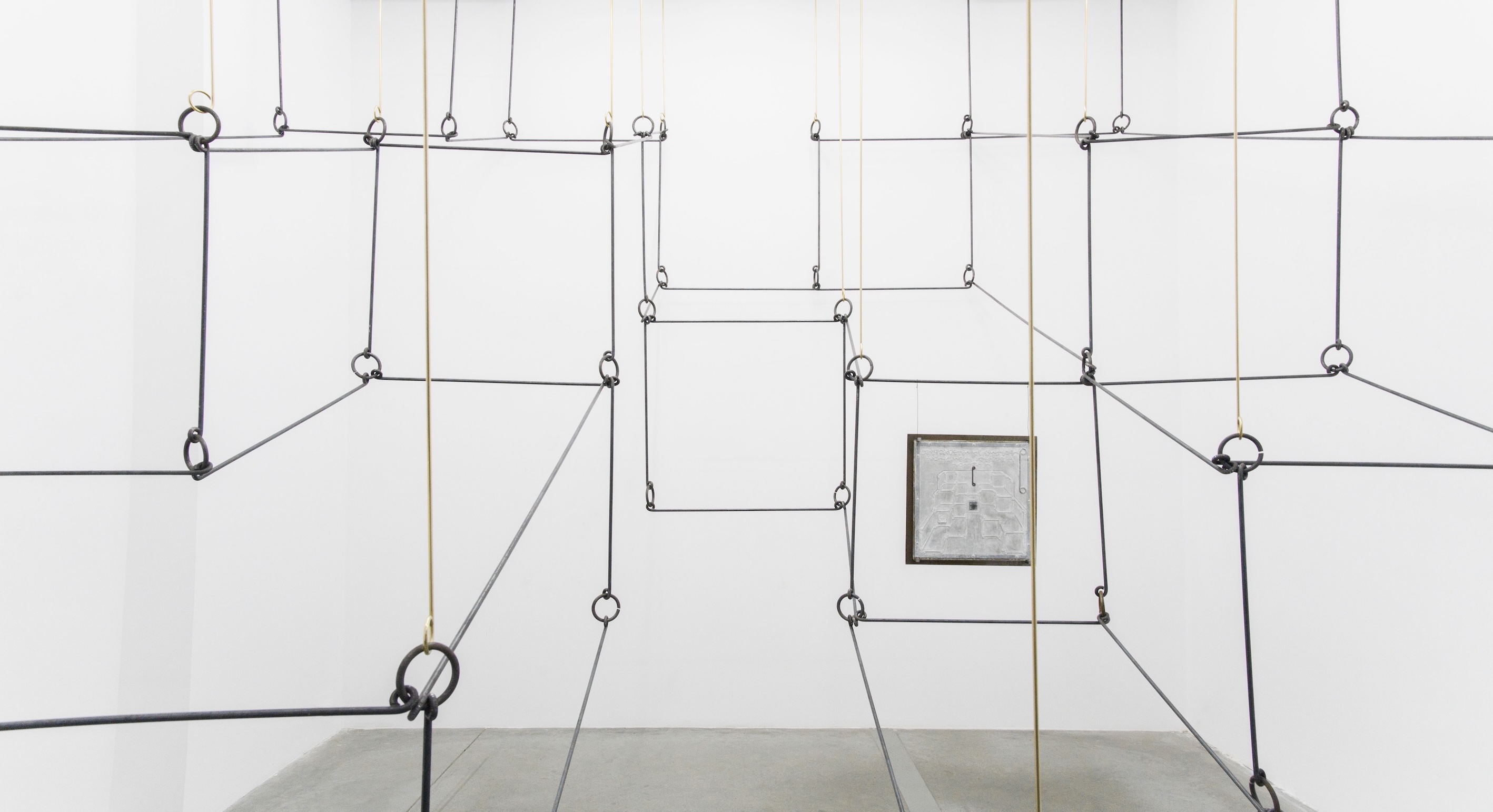
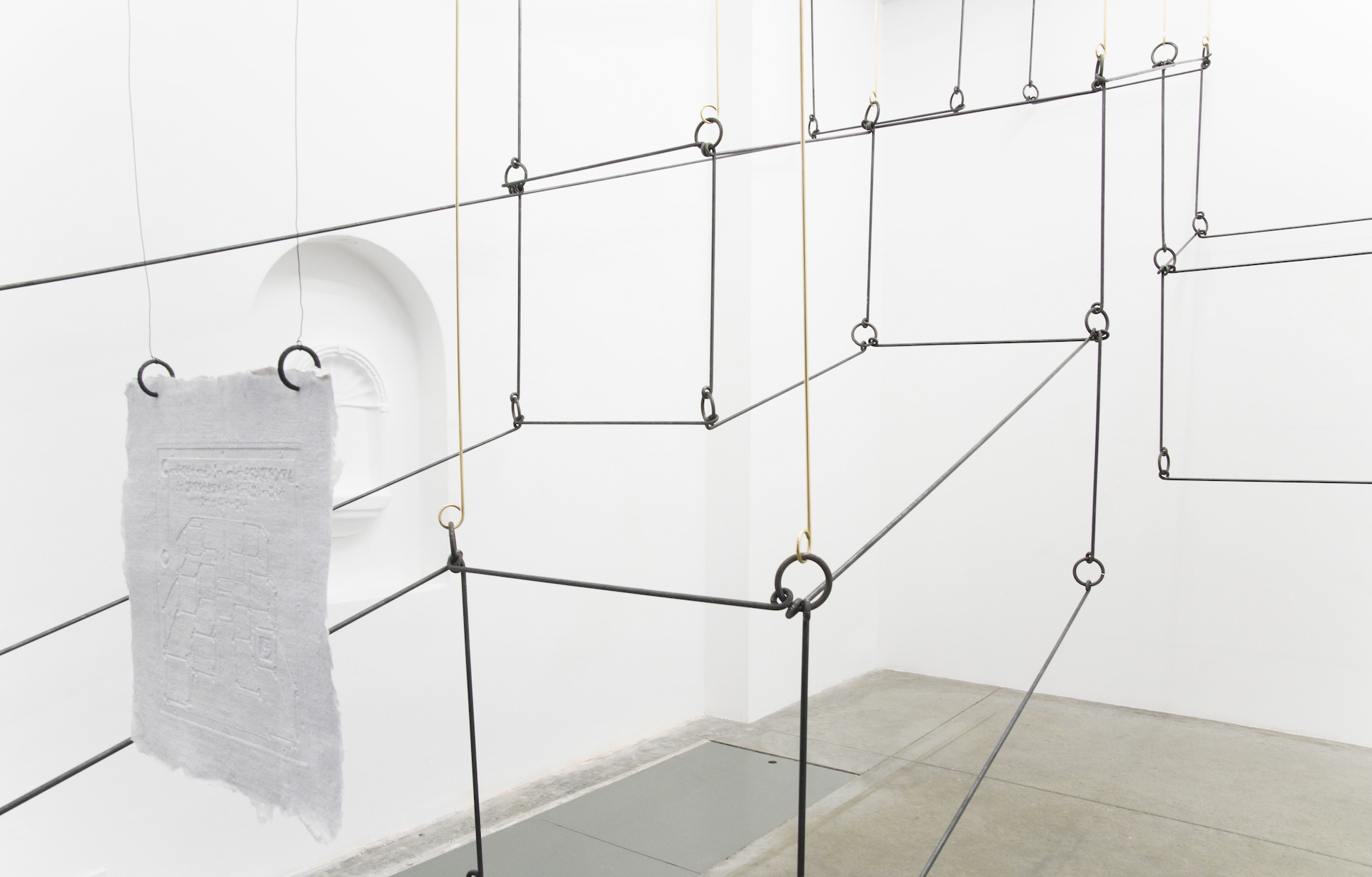
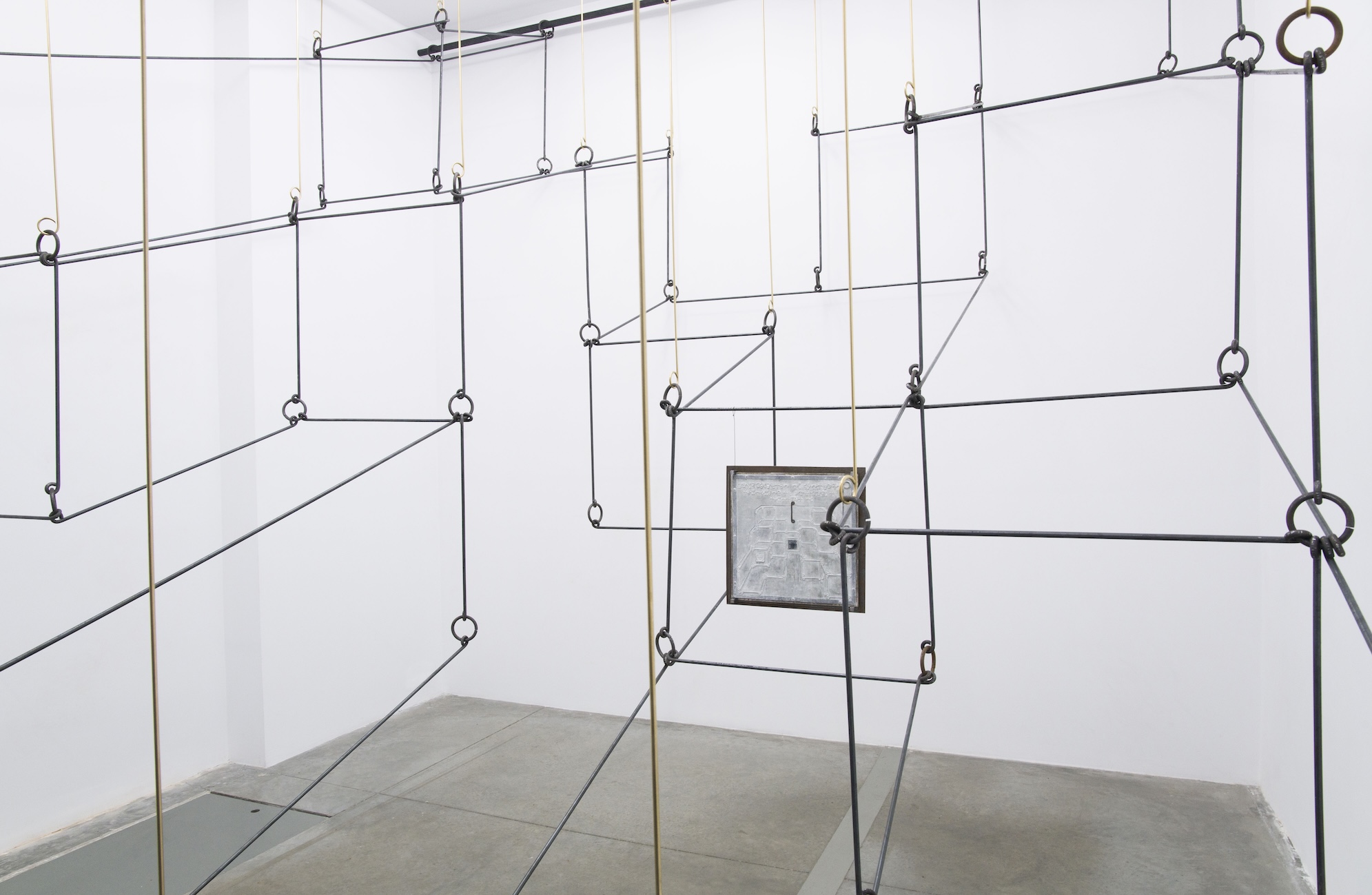
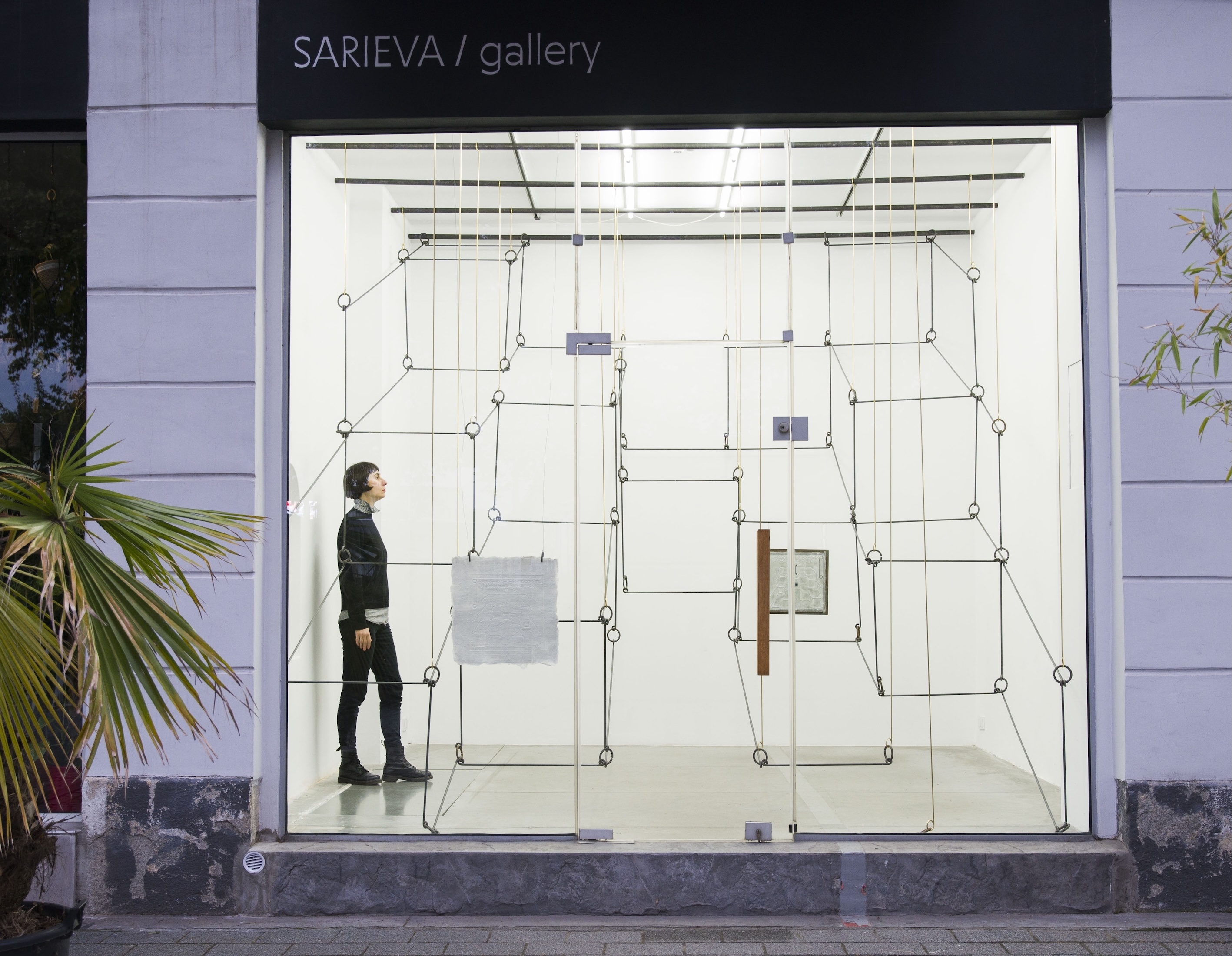
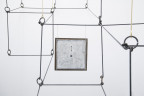
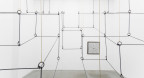
Sarieva / Gallery, Plovdiv, is pleased to present the first solo exhibition of the sculptor Petar Nakov, realized as a site-specific artwork for the gallery. Nakov’s work OT explores space as a woven structure in which sculpture is not merely volume or material, but a system of interrelations.
The exhibition originated at the end of 2024, when Vesselina Sarieva invited Ivaylo Avramov to present a series of sculptural exhibitions dedicated to space and the approach of the gallery. Avramov proposed the concept “Breakthrough in the White Cube”, which directly reflects his work in the field of institutional critique. Petar Nakov was selected as the first artist within this line.
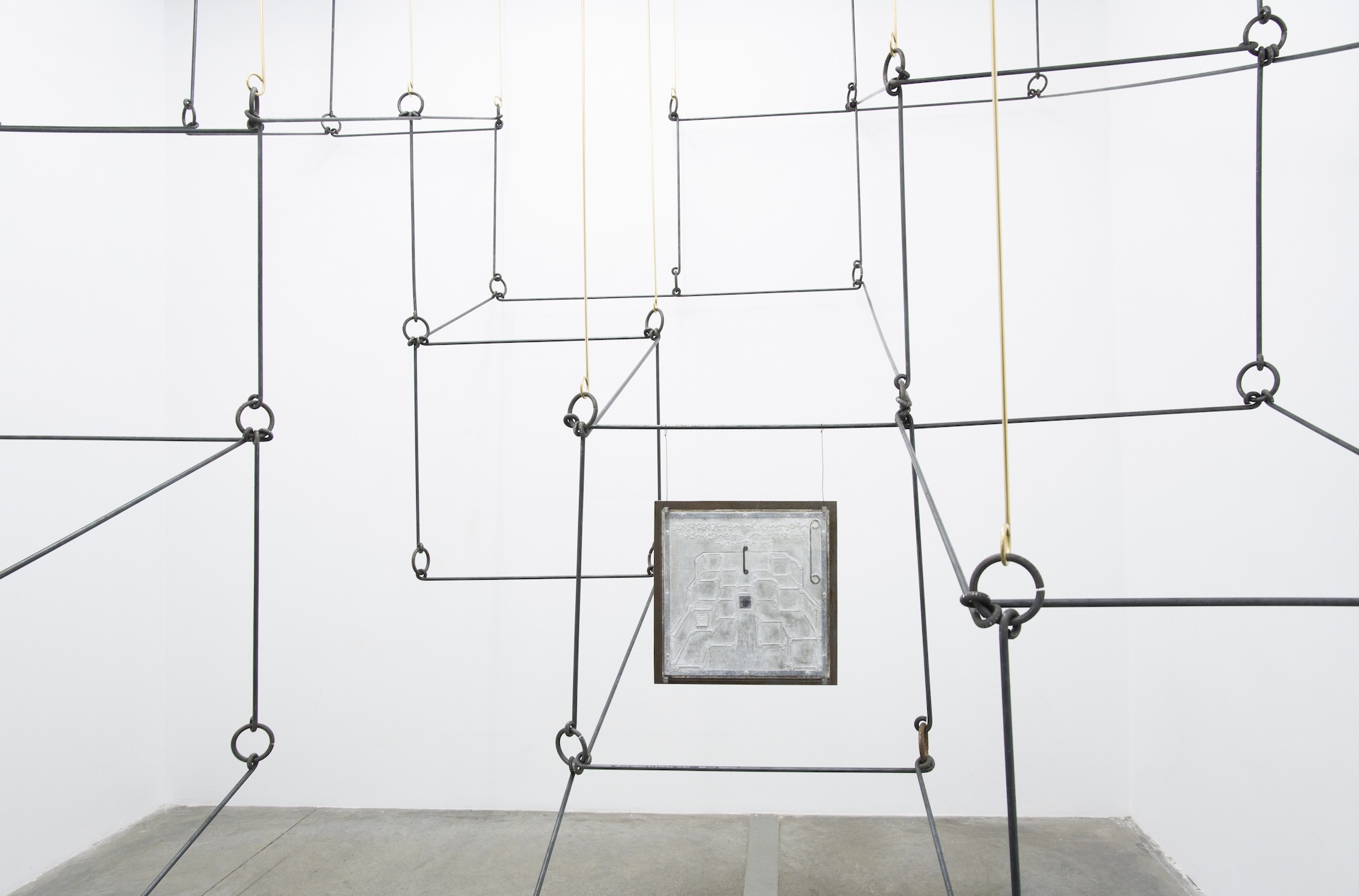
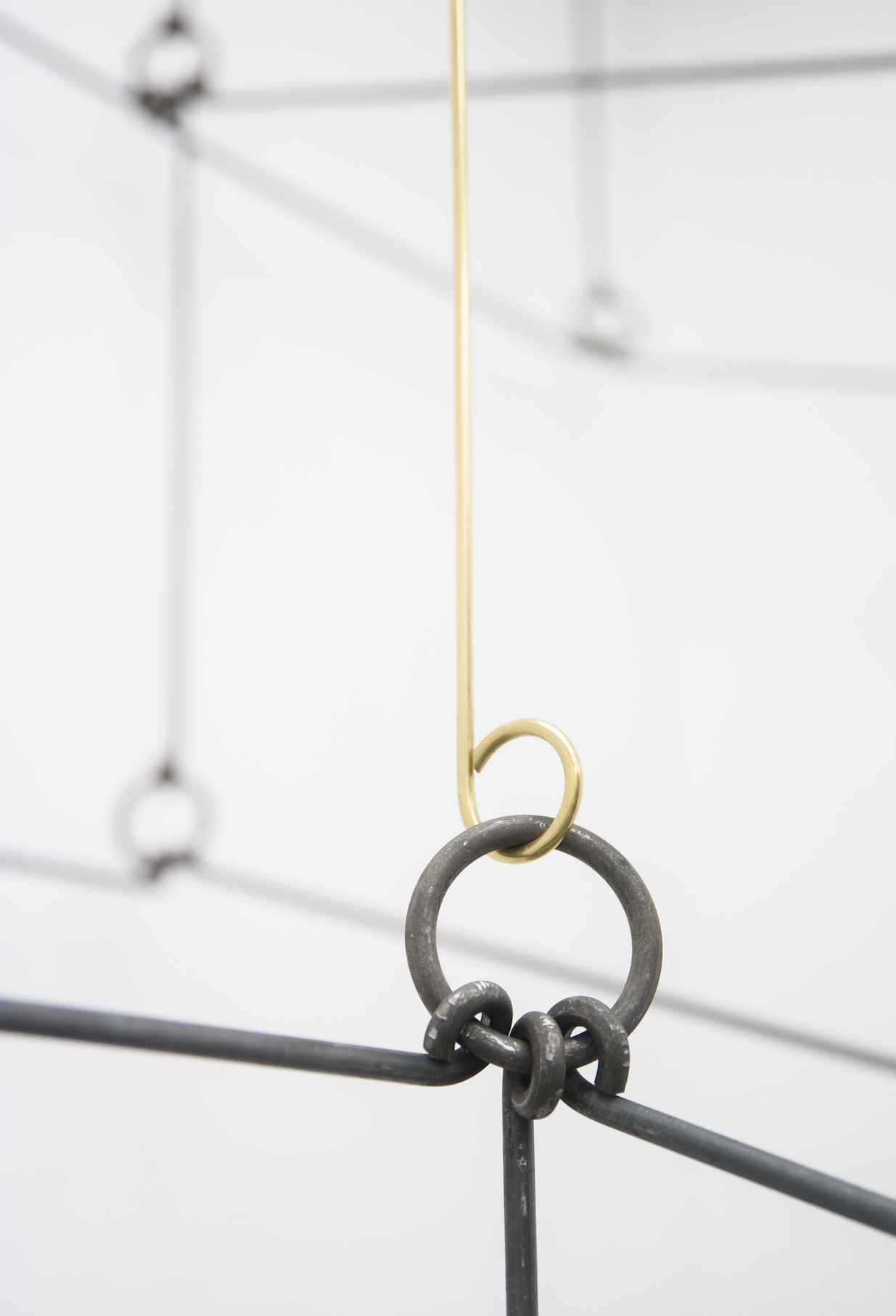
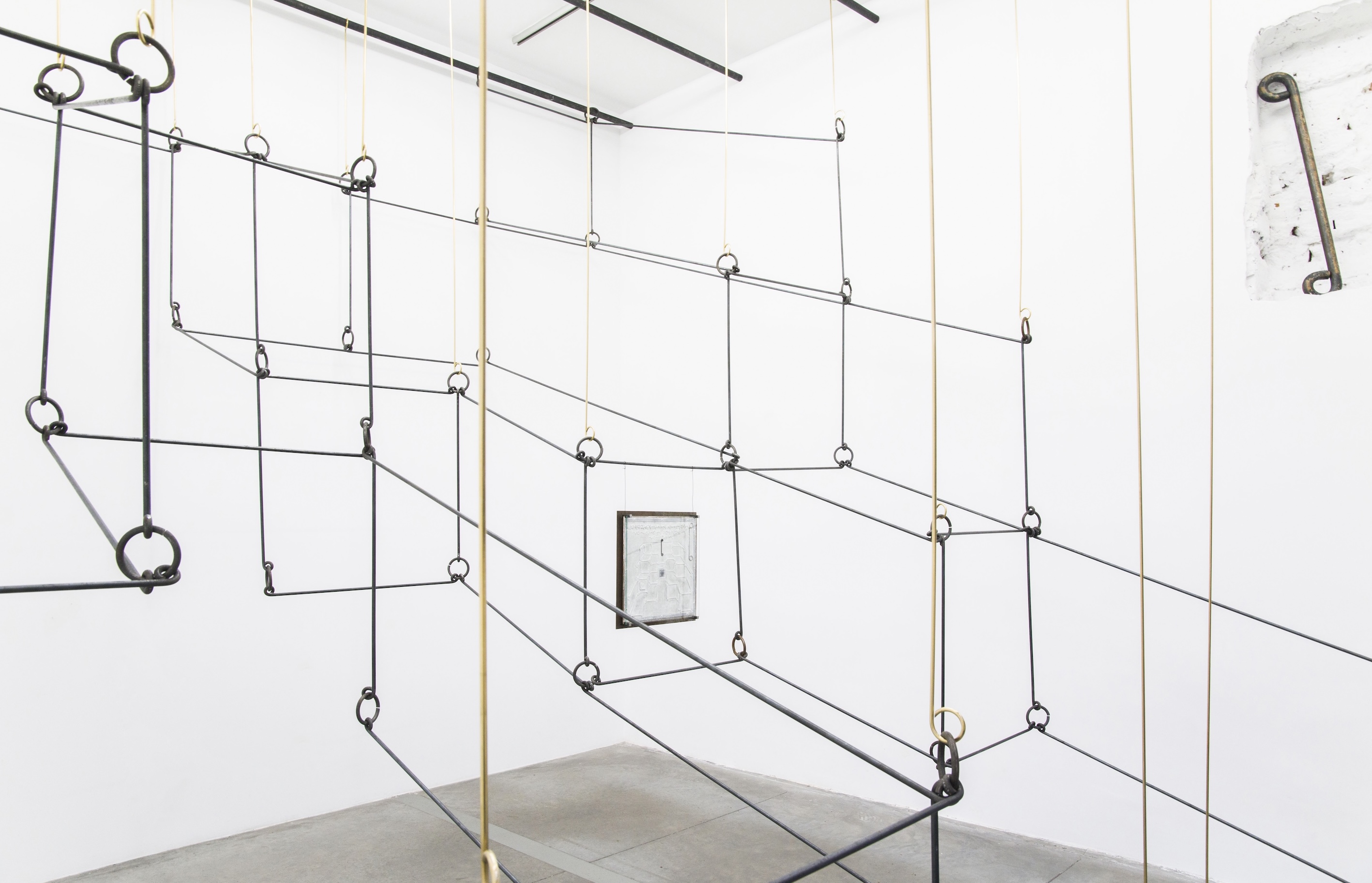
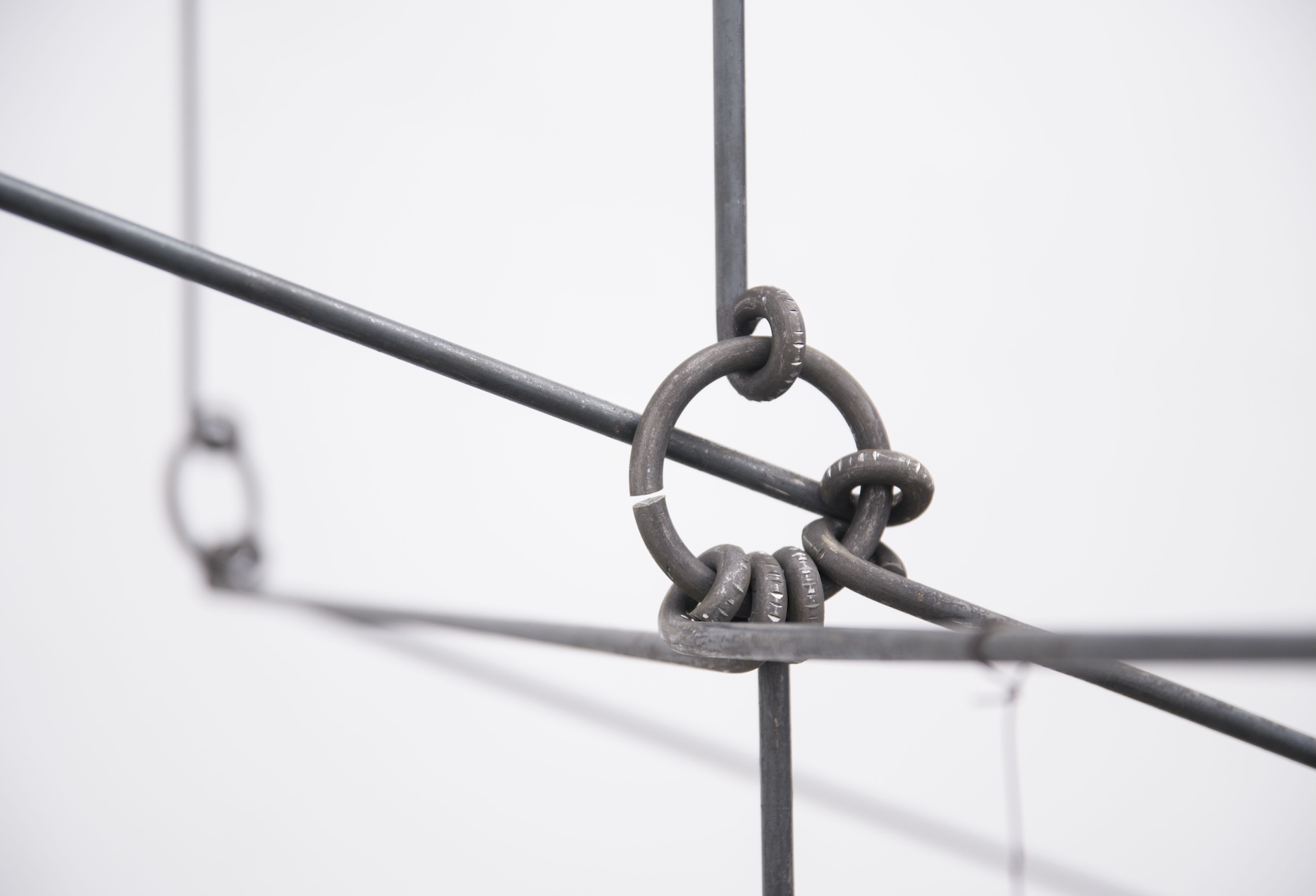
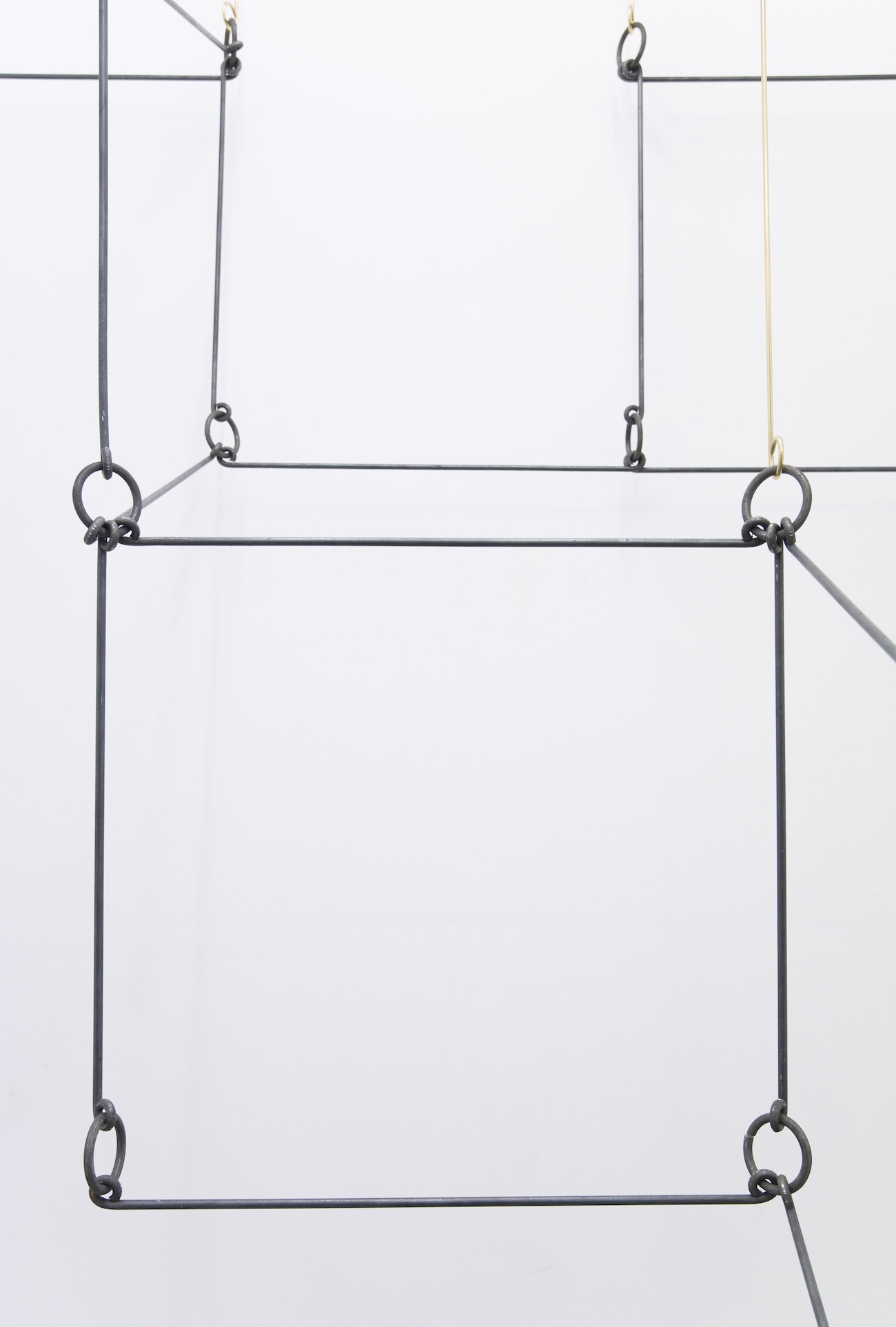
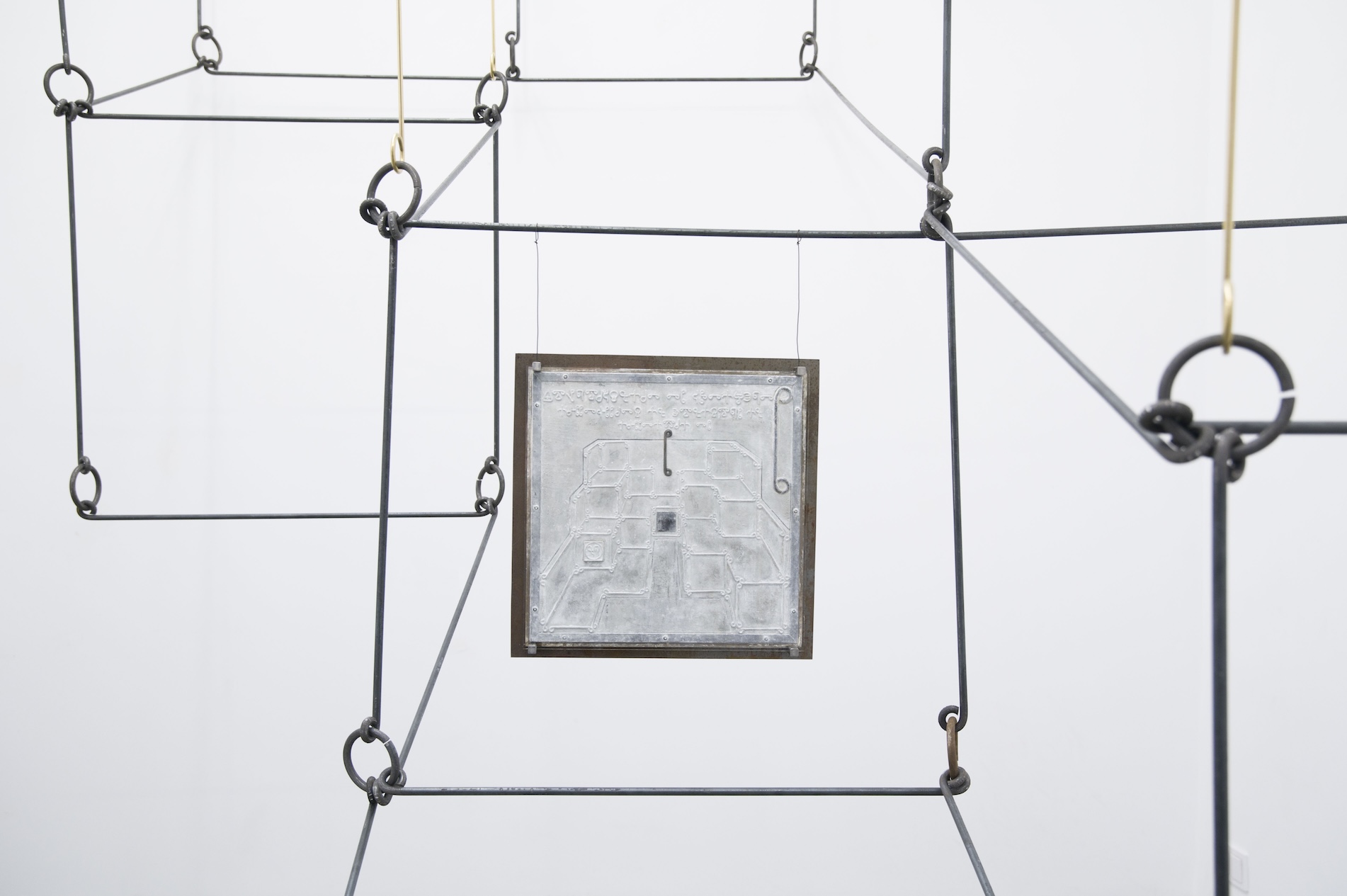
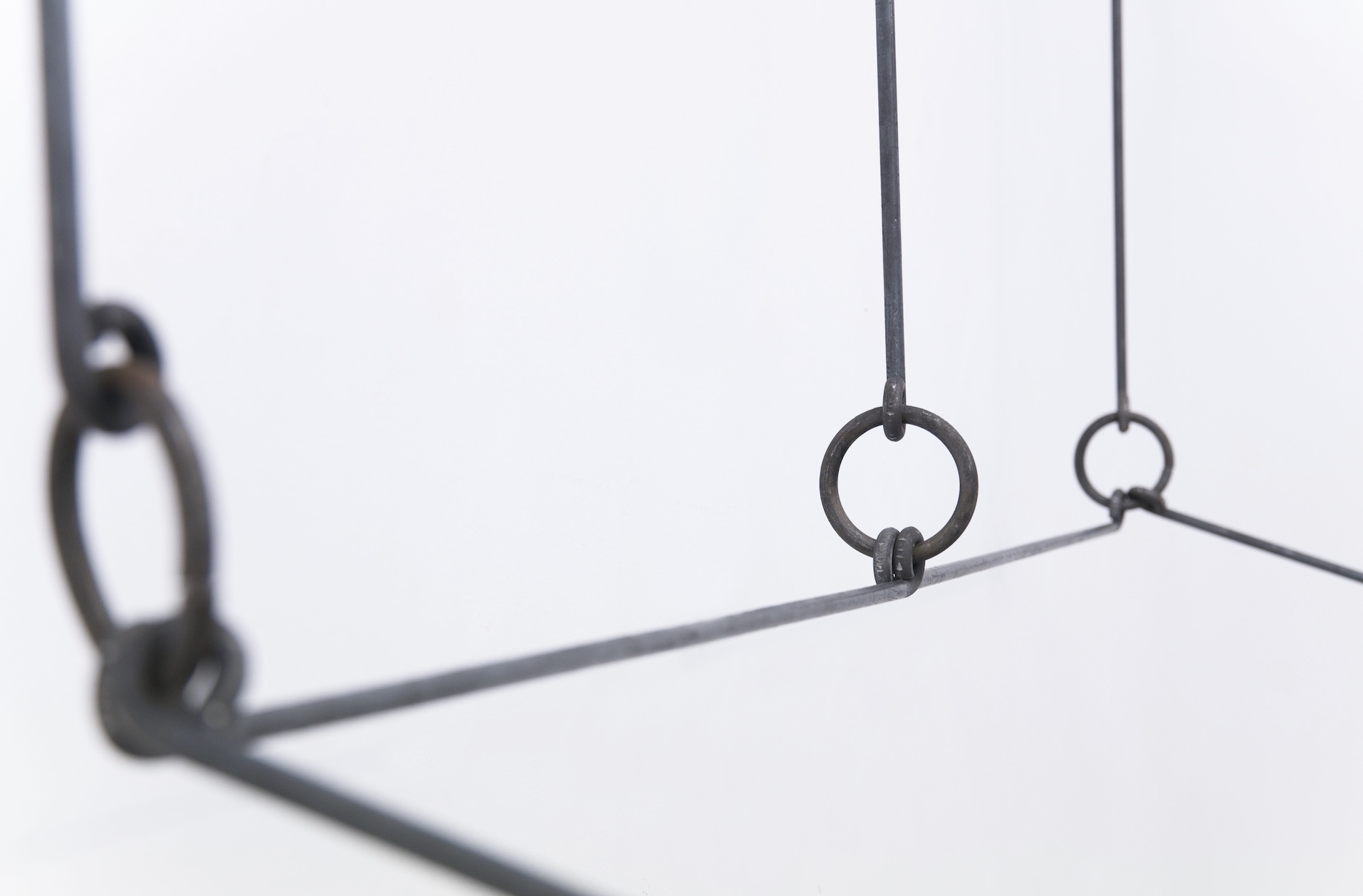
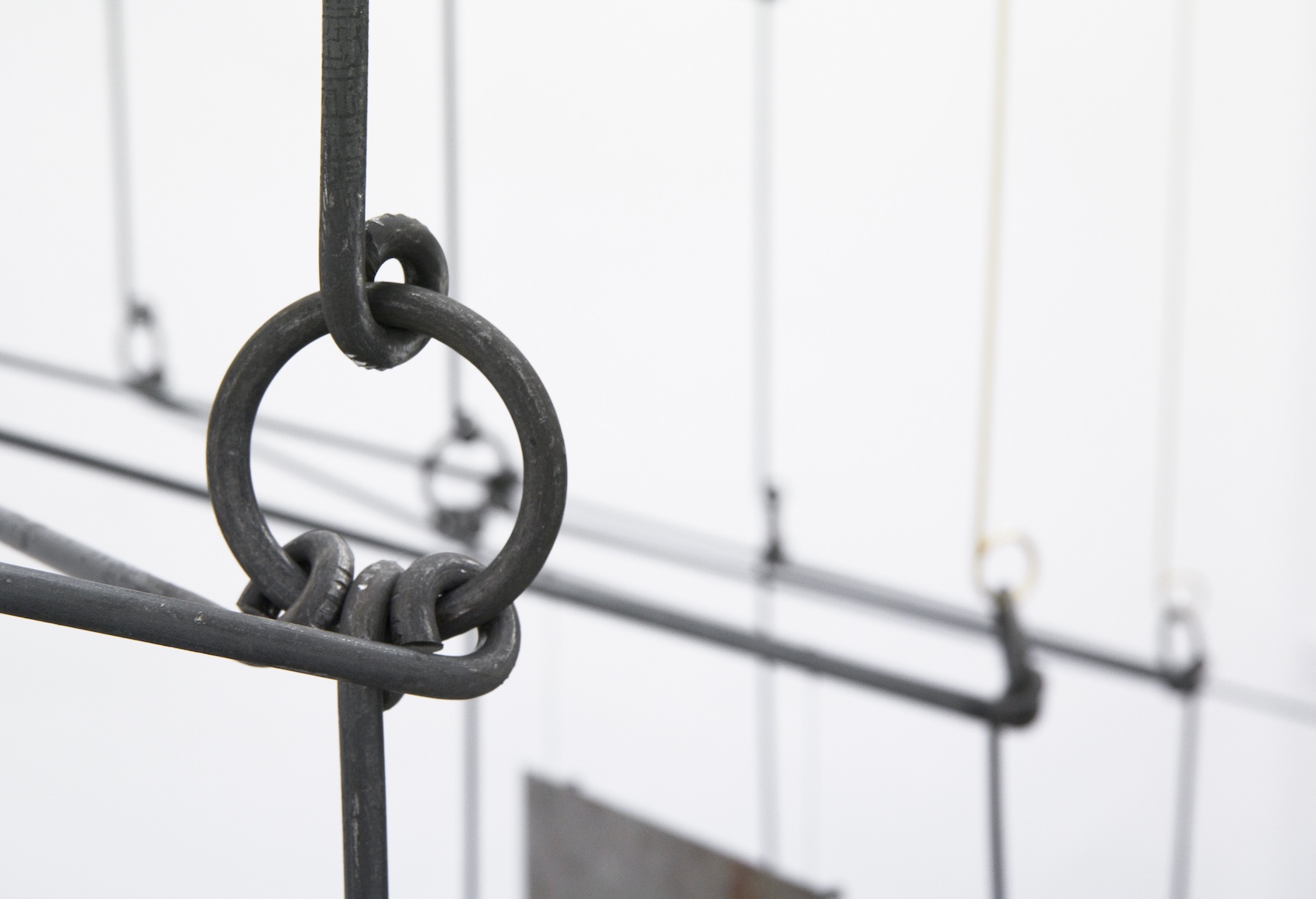
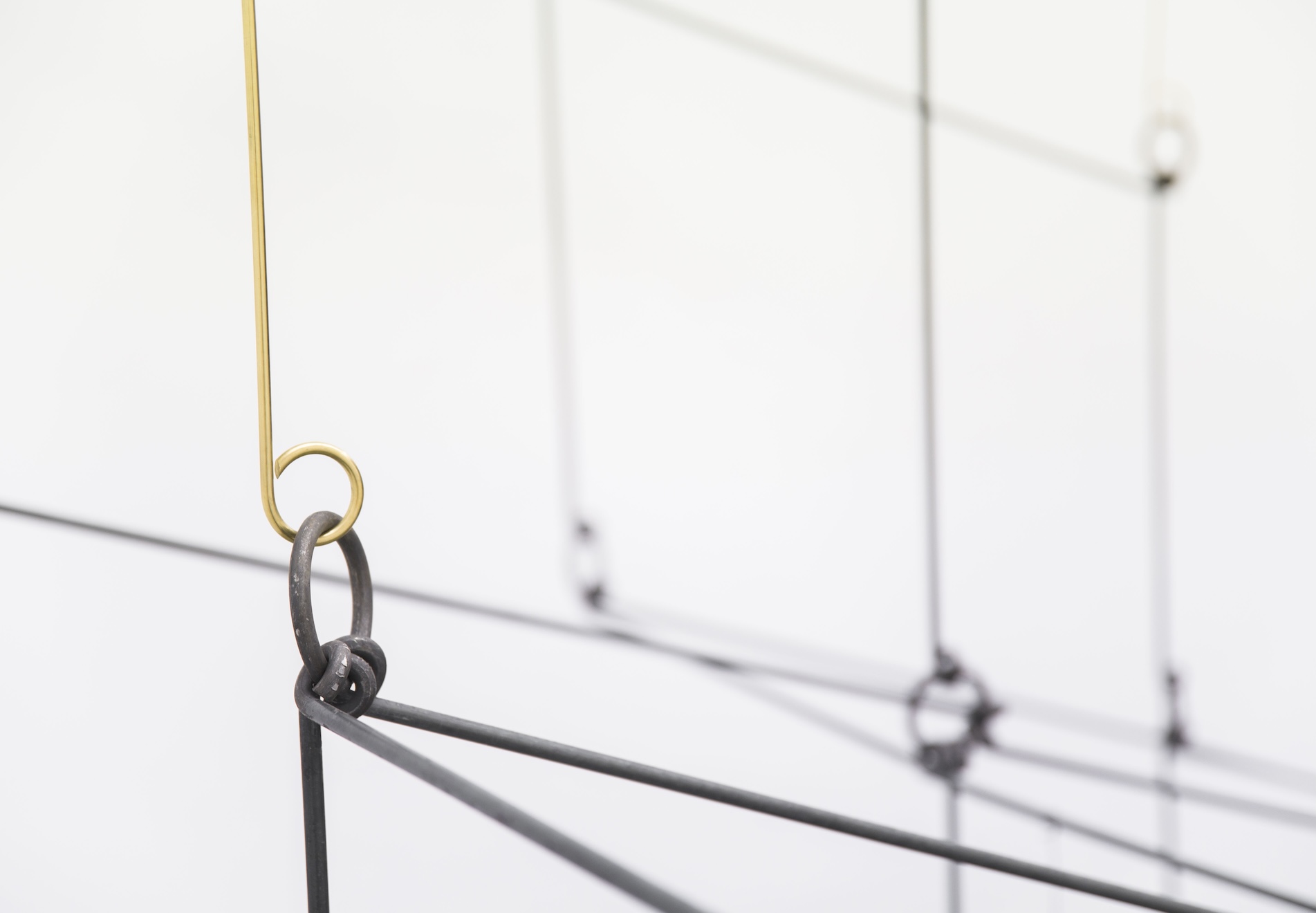
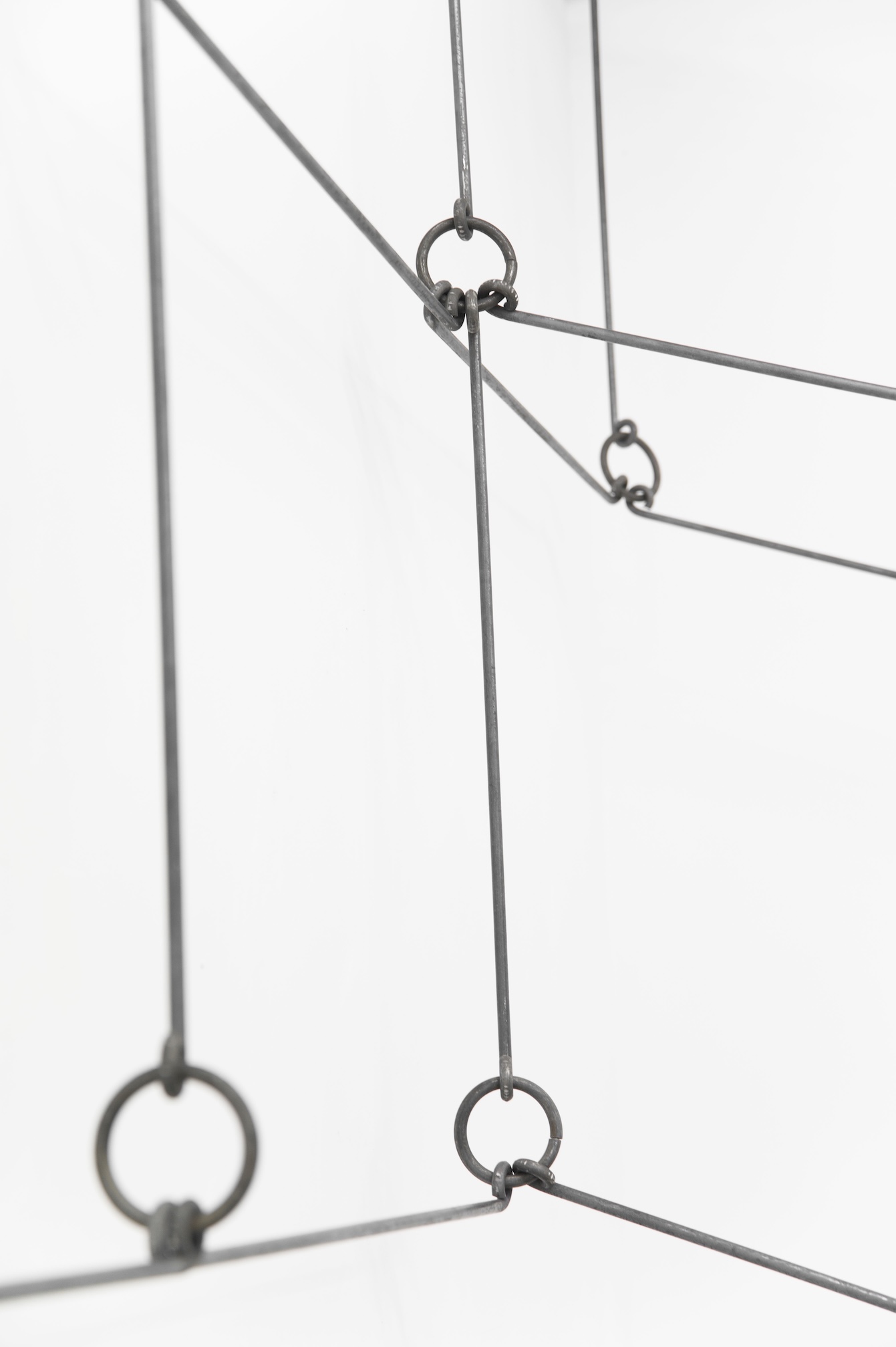
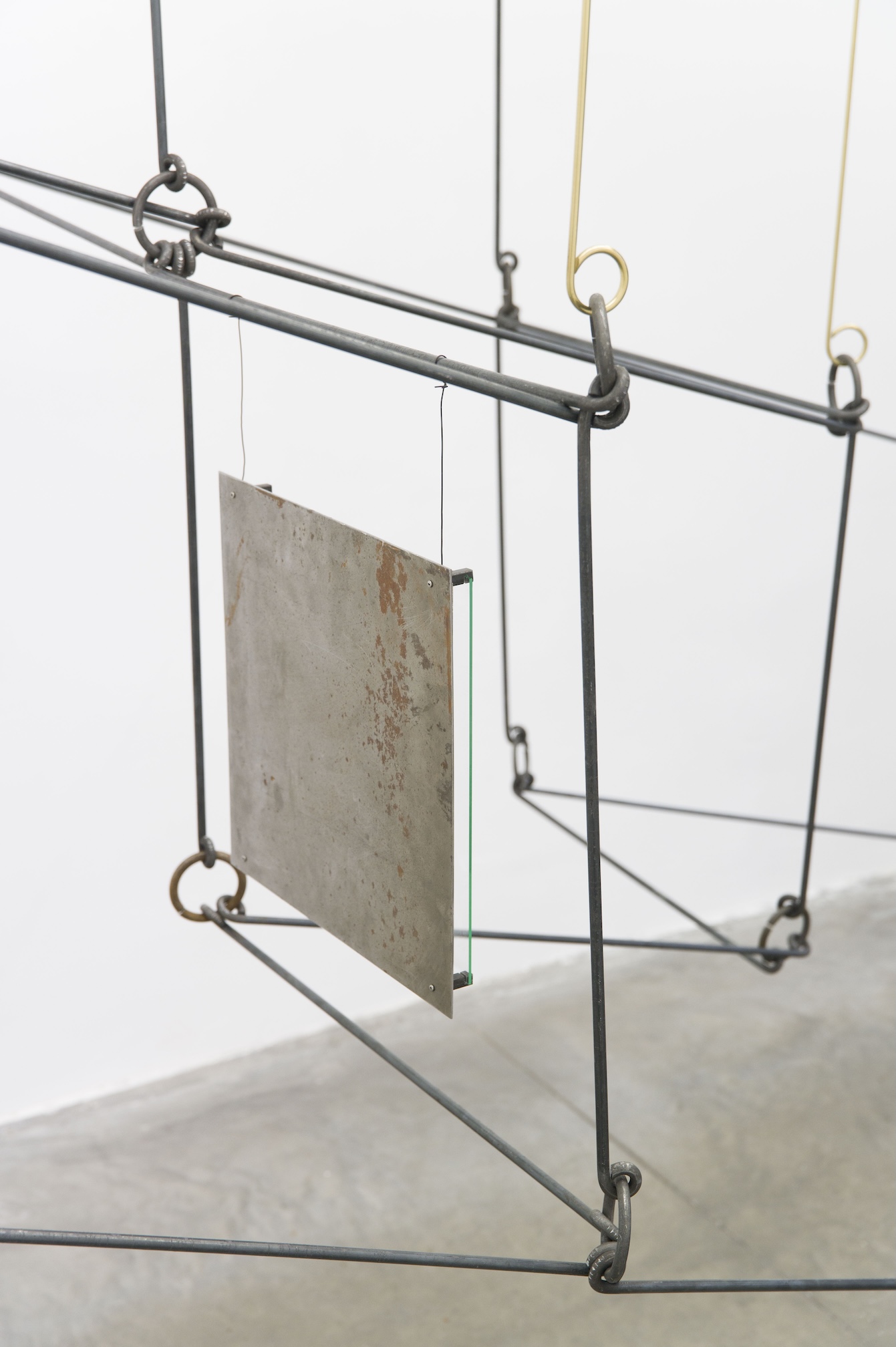
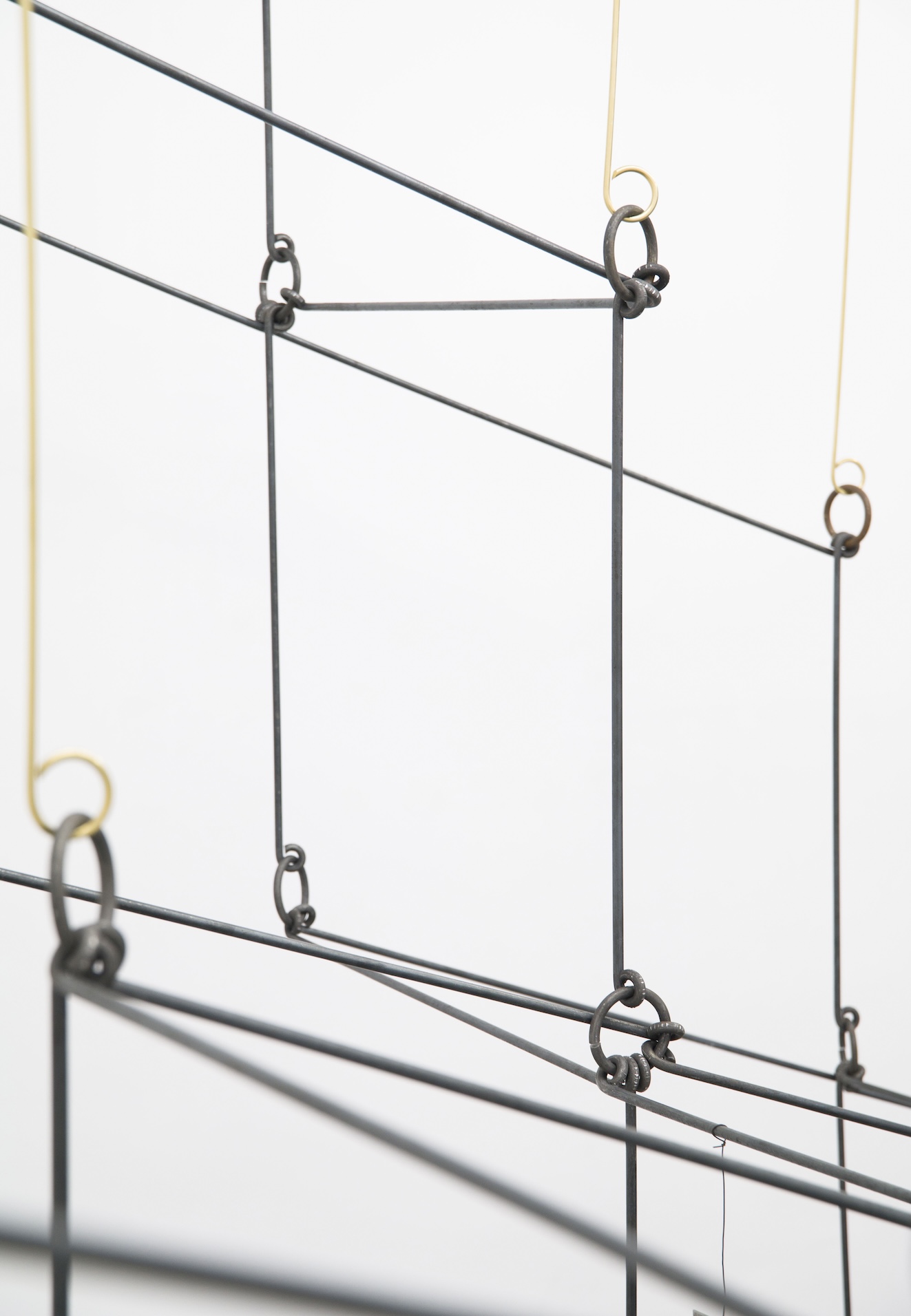
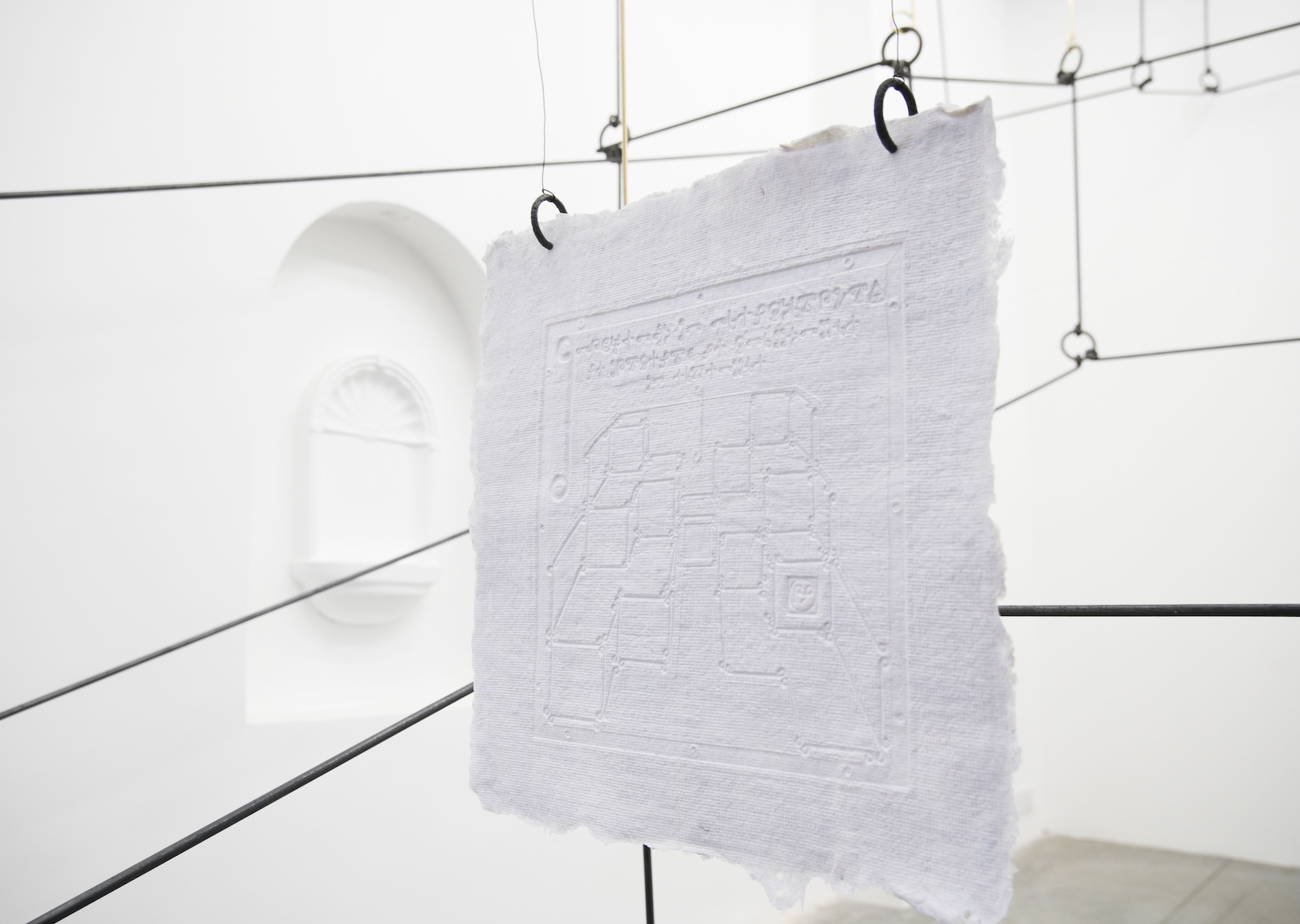
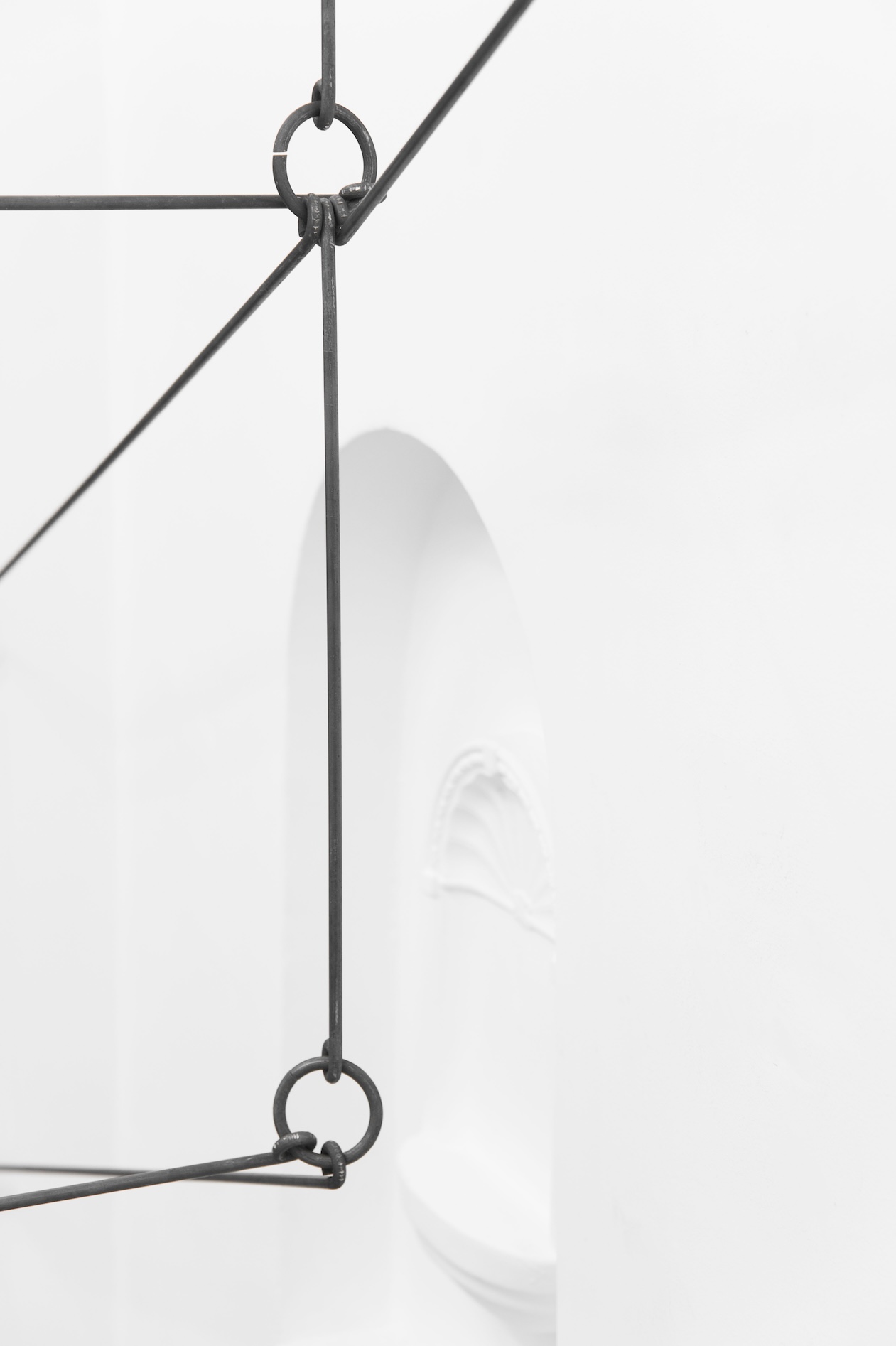
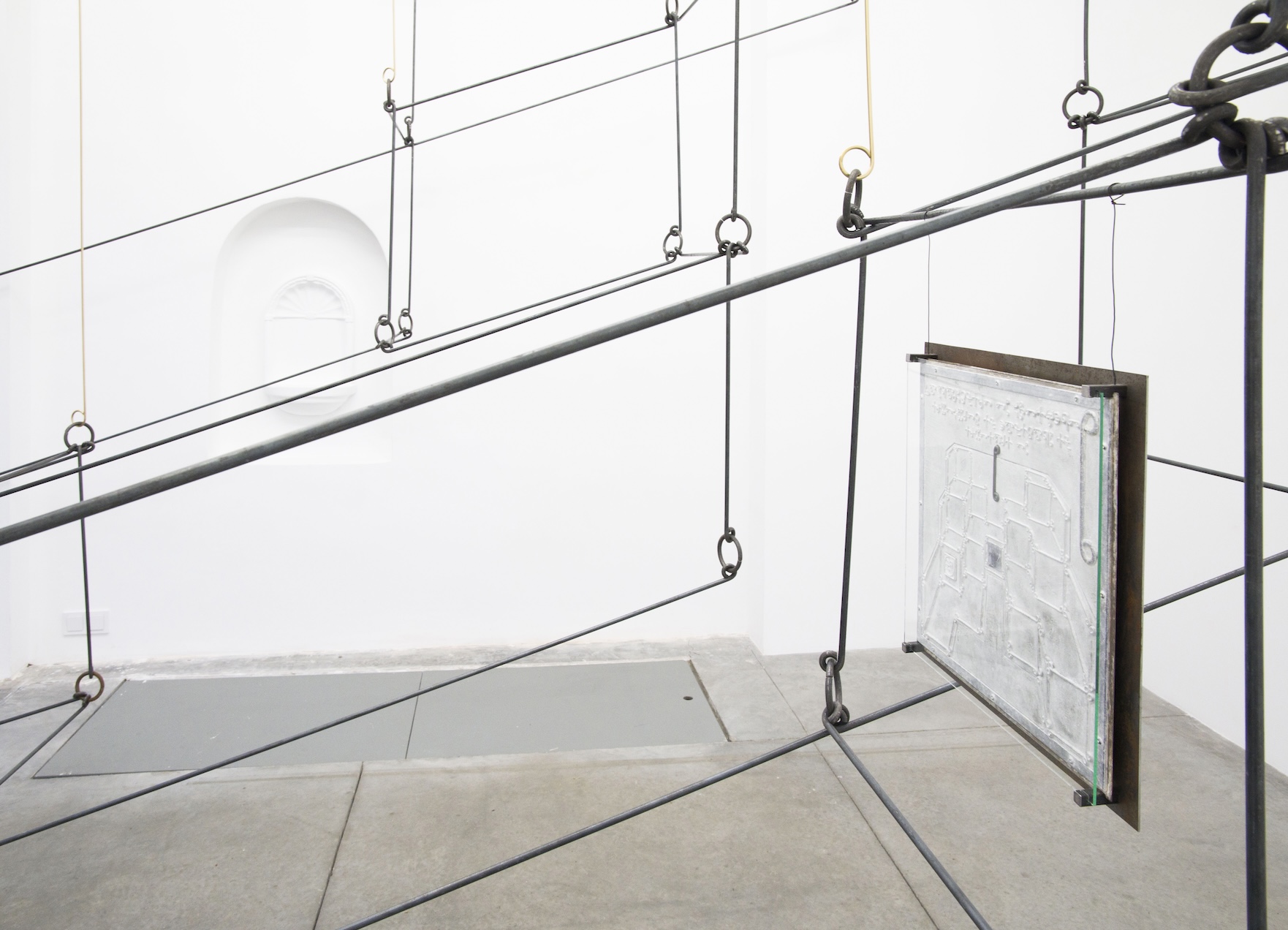
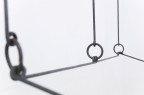
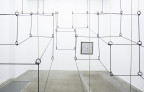
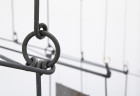
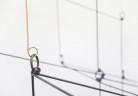
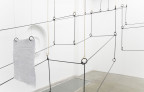
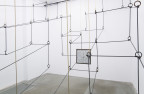
Nakov creates a site-specific work whose central element is a reinforcing (rebar) structure incorporating forms that reference the Glagolitic letters “o” and “t.” The work comprises four interrelated elements: a spatial installation, a two-dimensional drawing, a matrix, and a de-scaled element placed in a niche which are in a communicative relationship. The piece occupies the entire compact interior volume of the gallery: 423 × 404 × 355 cm (volume 60.67 m³).
Beyond being directly tied to the space, OT is also understood by Sarieva / Gallery as a reflection of its program and philosophy. As Avramov notes, the work is “a woven mesh that constructs space” - a quality characteristic of the gallery itself, which, through its active hybrid program, rethinks physical space as a point of departure for institutional thinking and develops as a network for contemporary art. The storefront window becomes a boundary zone - both barrier and mediator. In Avramov’s words, it is “sharp as a razor,” but also a “maximized aperture of a camera obscura,” projecting ideas from outside inward and from inside outward.
OT becomes a collaborative work between gallery, curator, and artist, uniting the transformation of the institution, curatorial critique of the exhibition model, and an artistic practice that considers space as a living structure.
The exhibition is accompanied by three texts:
- “Breakthrough in the White Cube”, text by Ivaylo Avramov
- “OT. A site-specific project by Petar Nakov at Sarieva Gallery, Plovdiv”, text by Ivaylo Avramov
- “Intention for a chronology. Sariev → SARIEV Contemporary → Sarieva”
Petar Nakov (b. 1976) lives in Sofia and works in Elin Pelin, Bulgaria, where together with the sculptors Vitali Halvadzhiev and Pavlin Radevski he co-founded Depo Sculpture. In 2001 he graduated in Sculpture from the National Academy of Arts, Sofia, in the studio of Prof. Angel Stanev. He has participated in numerous sculptural exhibitions, including: “Unnatural”, Goethe-Institut, Sofia (2024); “The Place as Sculpture”, Rayko Alexiev Hall, Sofia (2024); “Without Distance”, Rayko Alexiev Hall, Sofia (2015); “A Look Towards the Light”, Boris Georgiev Art Gallery, Varna (2011); “Studio 38”, Gallery 8, Varna (2002); as well as in the sculpture symposia “Man and Nature”, Vetren (2011–2013) and “Drustar”, Silistra (2006).
Ivaylo Avramov (b. 1968) is a sculptor living and working in Sofia. He graduated in Sculpture and obtained a PhD in Art Studies and Fine Arts from the National Academy of Arts. In 2022 he received the Ivan Lazarov Sculpture Award. In his work, he explores abstraction as an organized structure and as a method for uncovering hidden relationships between objects and phenomena.
Sarieva / Gallery was founded in 2004 in Plovdiv by Katrin Sarieva as a space inspired by the practices of the poet and visual artist Veselin Sariev, aimed at liberating language and building an international network of like-minded individuals. With the involvement of her daughter Veselina Sarieva, the gallery expanded through a foundation, educational, public, and cultural initiatives, as well as institutional partnerships, creating an active environment for contemporary art. After 2021, the change of name from Sariev to Sarieva marked a transition toward an emancipated program based on a network of collaborations in the field of collecting and presenting contemporary art. The gallery opened a branch in Sofia and continues to represent established artists while supporting emerging ones, combining the standards of the “white cube” with the concept of a “living gallery situation.”
-
Media Covarage
Markov, Simeon. “OT.” Literaturen Vestnik, vol. 35, no. 29, July 22–28, 2026. https://litvestnik.com/2026/07/22/от/
Georgiev, Sergey. “Site-Specific Grammar.” Kultura, July 24, 2026. https://kultura.bg/web/сайт-спесифик-граматика/
Petar Nakov at Sarieva, Plovdiv. Art Viewer, July 23, 2026. https://artviewer.org/petar-nakov-at-sarieva-plovidv/
‘OT’ – Debut Exhibition by Petar Nakov.” Kultura.BG (Bulgarian National Television), May 12, 2026. https://bnt.bg/news/-ot-debyutna-izlozhba-na-petar-nakov-v414950-348771news.html
-
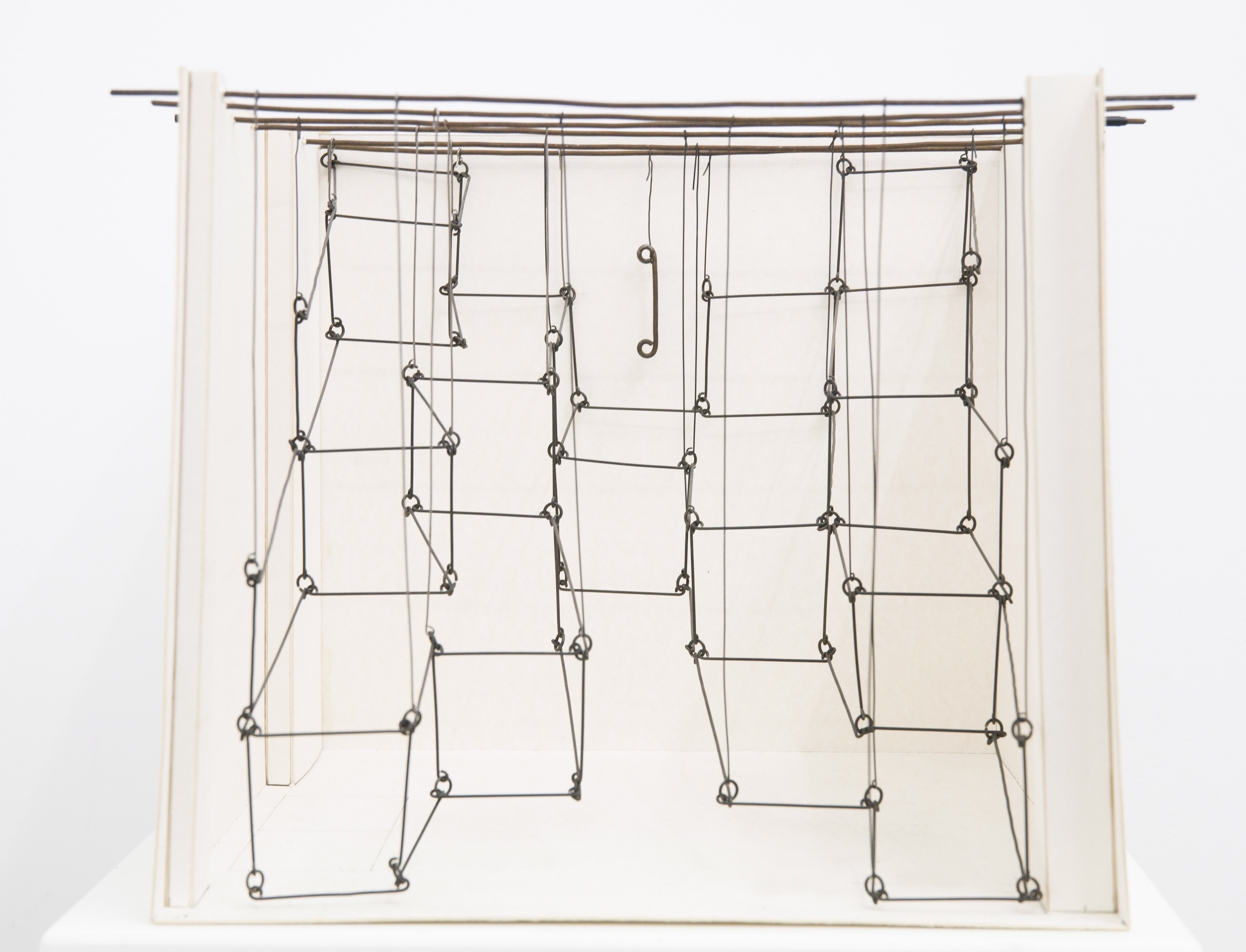 Petar Nakov
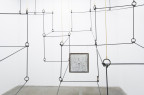
Model of the spatial site-specific work OТ, 2026
paper, metal
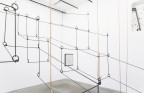
Petar Nakov
Model of the spatial site-specific work OТ, 2026
paper, metal
approx. 35 × 35 × 35 cm -
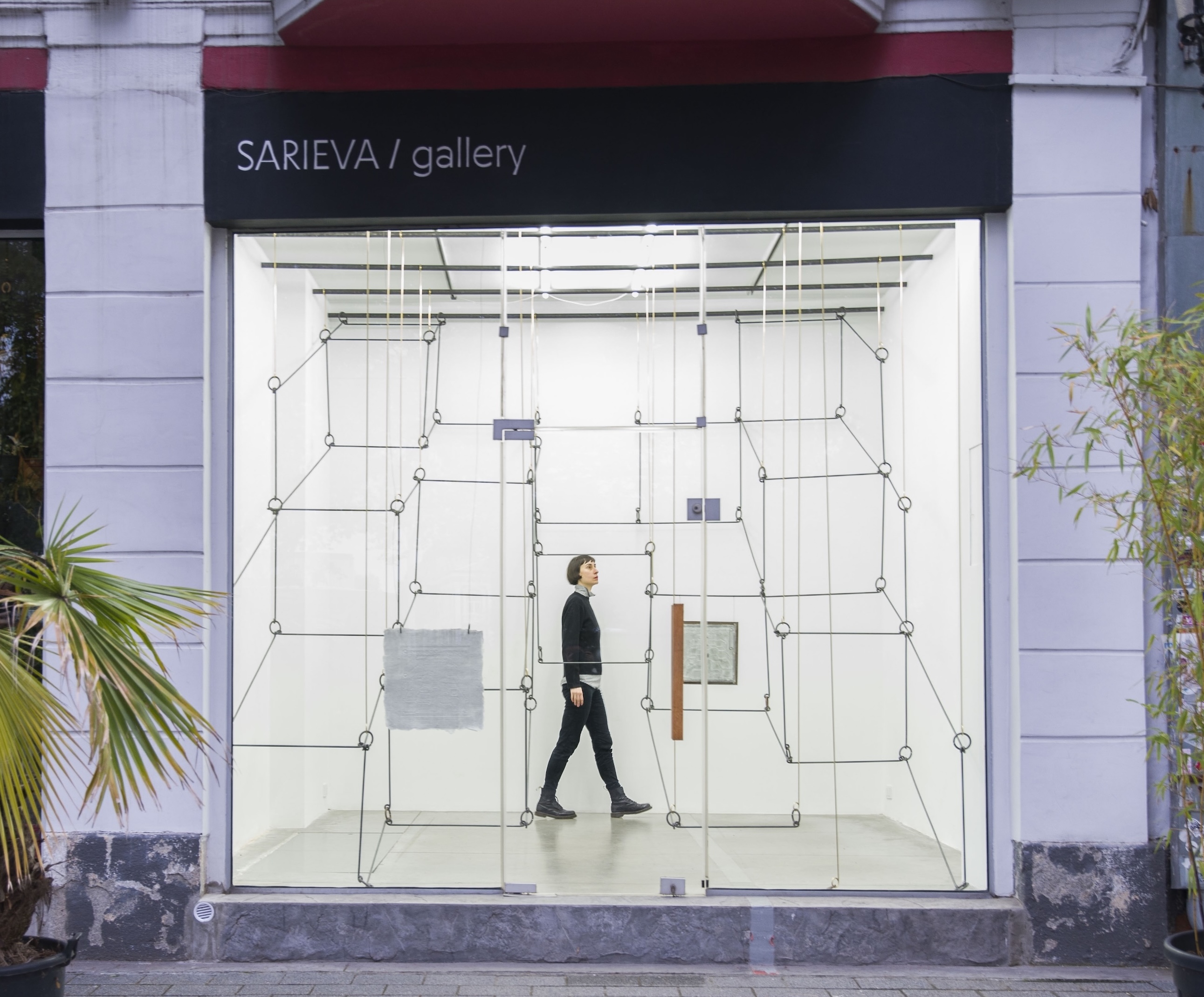 Petar Nakov
OТ, 2026
site-specific work
Petar Nakov
OТ, 2026
site-specific work
including a structure of rebar, matrix, imprint, object
approx. 350 × 350 × 400 cm -
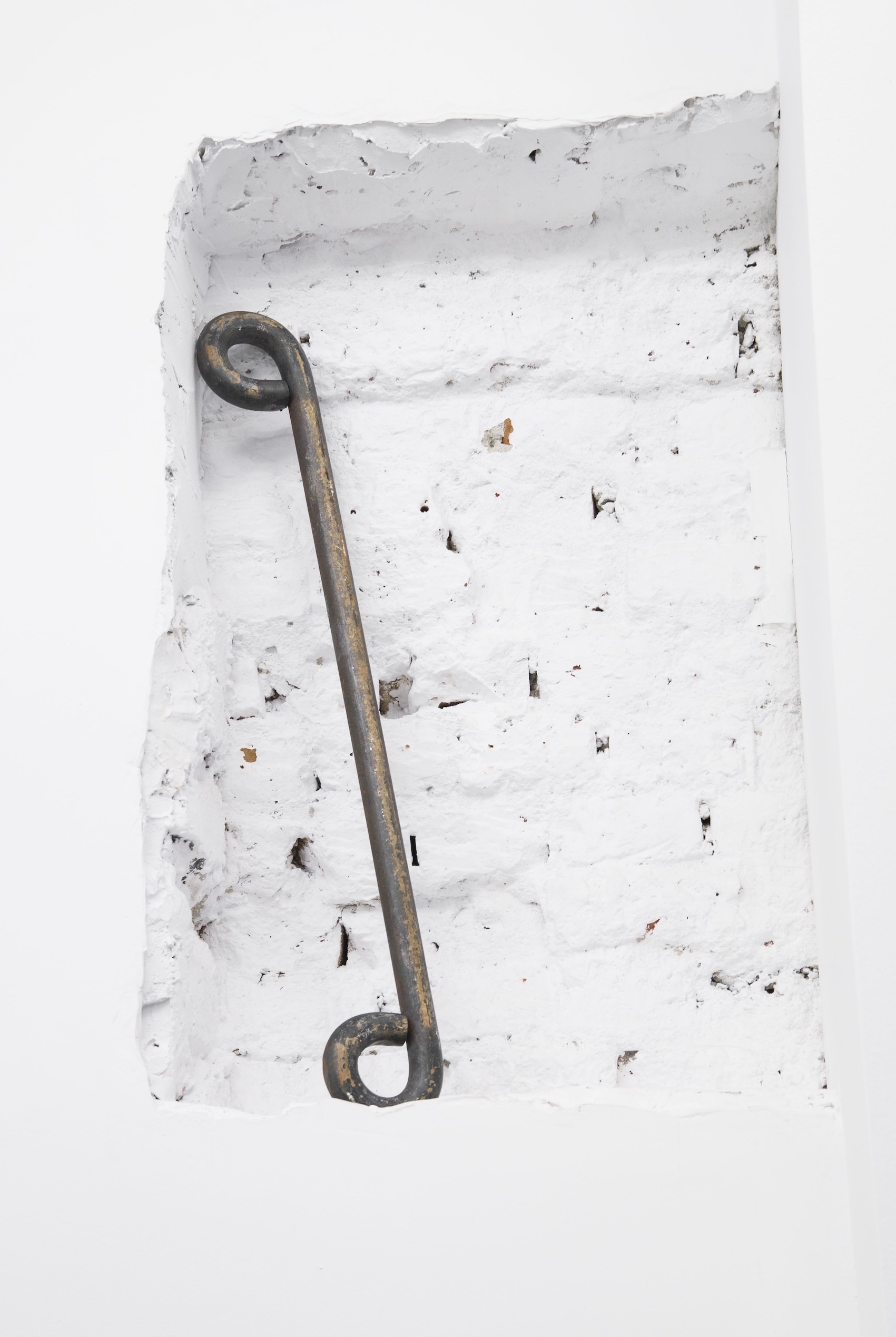 Petar Nakov
OТ, 2026, (object)
OТ, 2026
Petar Nakov
OТ, 2026, (object)
OТ, 2026
(object)
solid iron
84 × 11 × 3 cm
unique object -
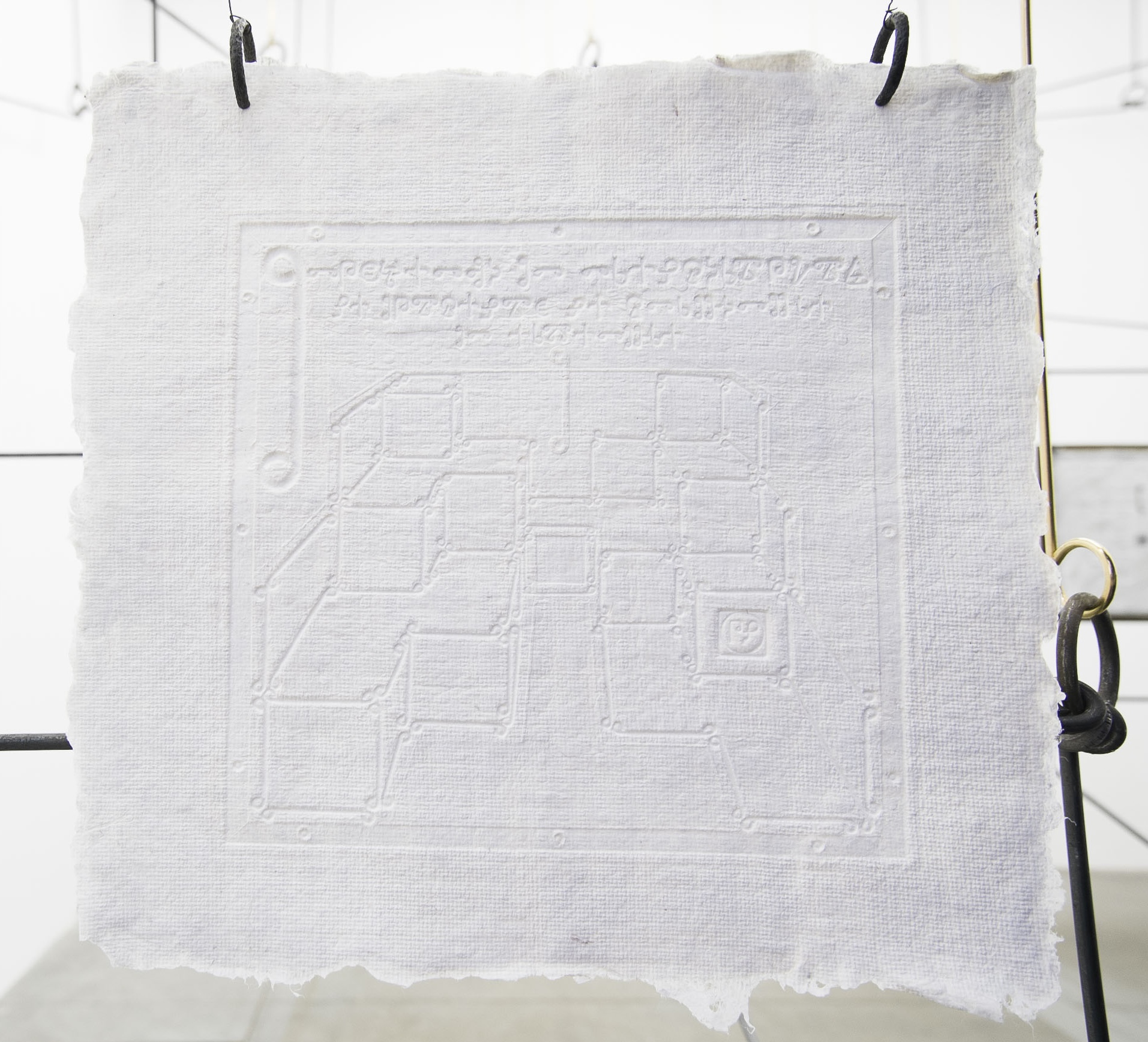 Petar Nakov
Project for the work OТ, 2026, (imprint from matrix)
embossed print, handmade paper
Petar Nakov
Project for the work OТ, 2026, (imprint from matrix)
embossed print, handmade paper
approx. 50 × 50 cm
unique copies, unlimited edition -
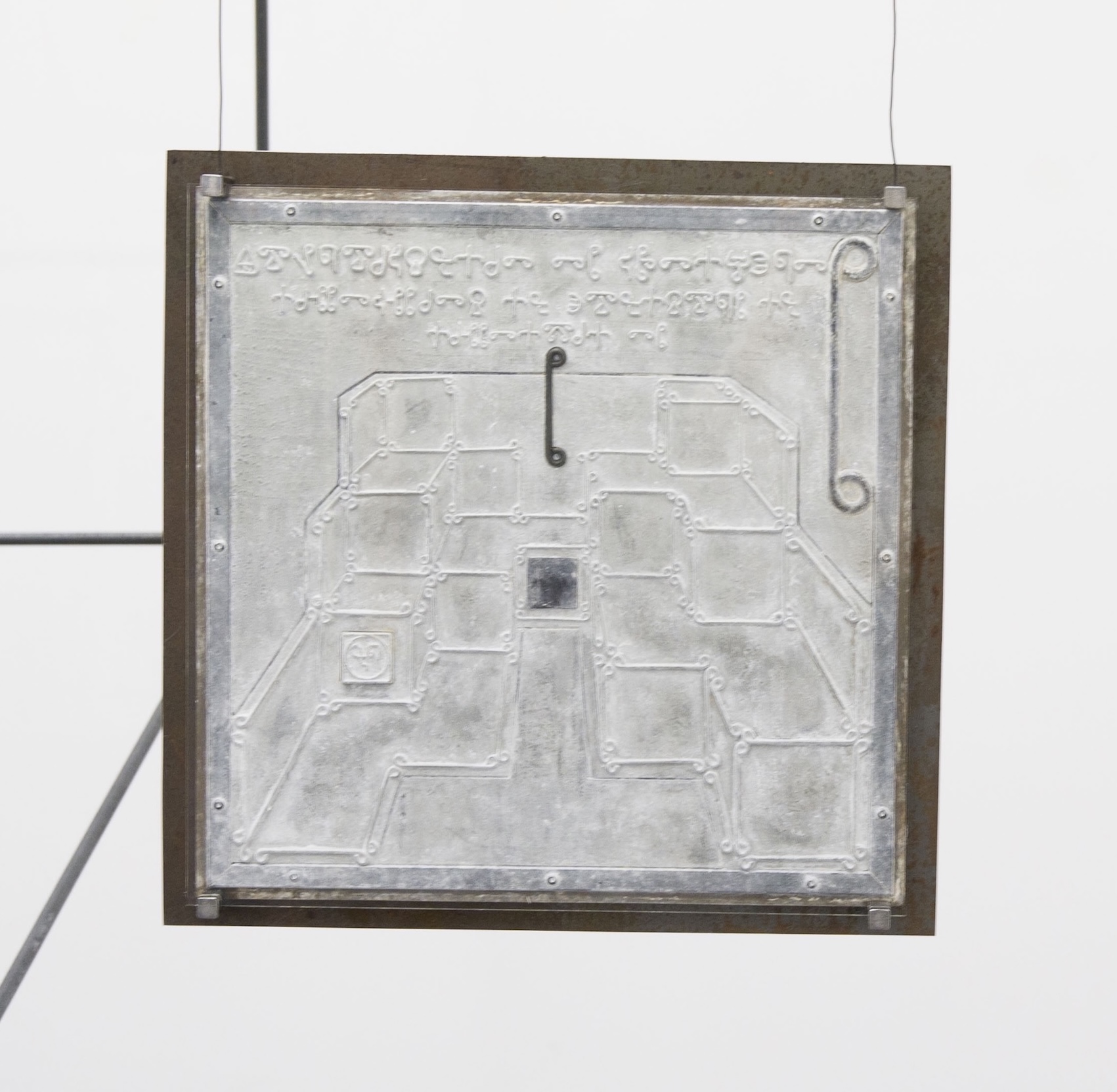 Petar Nakov
Project for the work OТ, 2026, (matrix)
approx. 35 × 35 cm
Petar Nakov
Project for the work OТ, 2026, (matrix)
approx. 35 × 35 cm
unique object